Nigerian plantain recipes demonstrate just how versatile one ingredient can be. Depending on its stage of ripeness, plantain can be firm and starchy, mildly sweet, soft and caramelised, or intensely ripe and ideal for fritters, pancakes and baking.
In Nigerian cooking, plantain can become crispy chips, hearty plantain porridge, golden dodo, smoky boli, plantain swallow or sweet mosa. The secret is knowing which stage of ripeness works best for each dish.
At Tastebudz Nigeria, we believe that understanding how ingredients behave is one of the foundations of becoming a better cook. Plantain is a perfect example: the same fruit can produce completely different flavours and textures depending on when and how it is cooked.
In this guide, you will learn how plantains change as they ripen, how to identify the right plantain for different dishes, and how to prepare some of the most popular Nigerian plantain recipes at home.
Quick Guide: Which Plantain Should You Use?
| Plantain stage | Appearance | Taste and texture | Best uses |
|---|---|---|---|
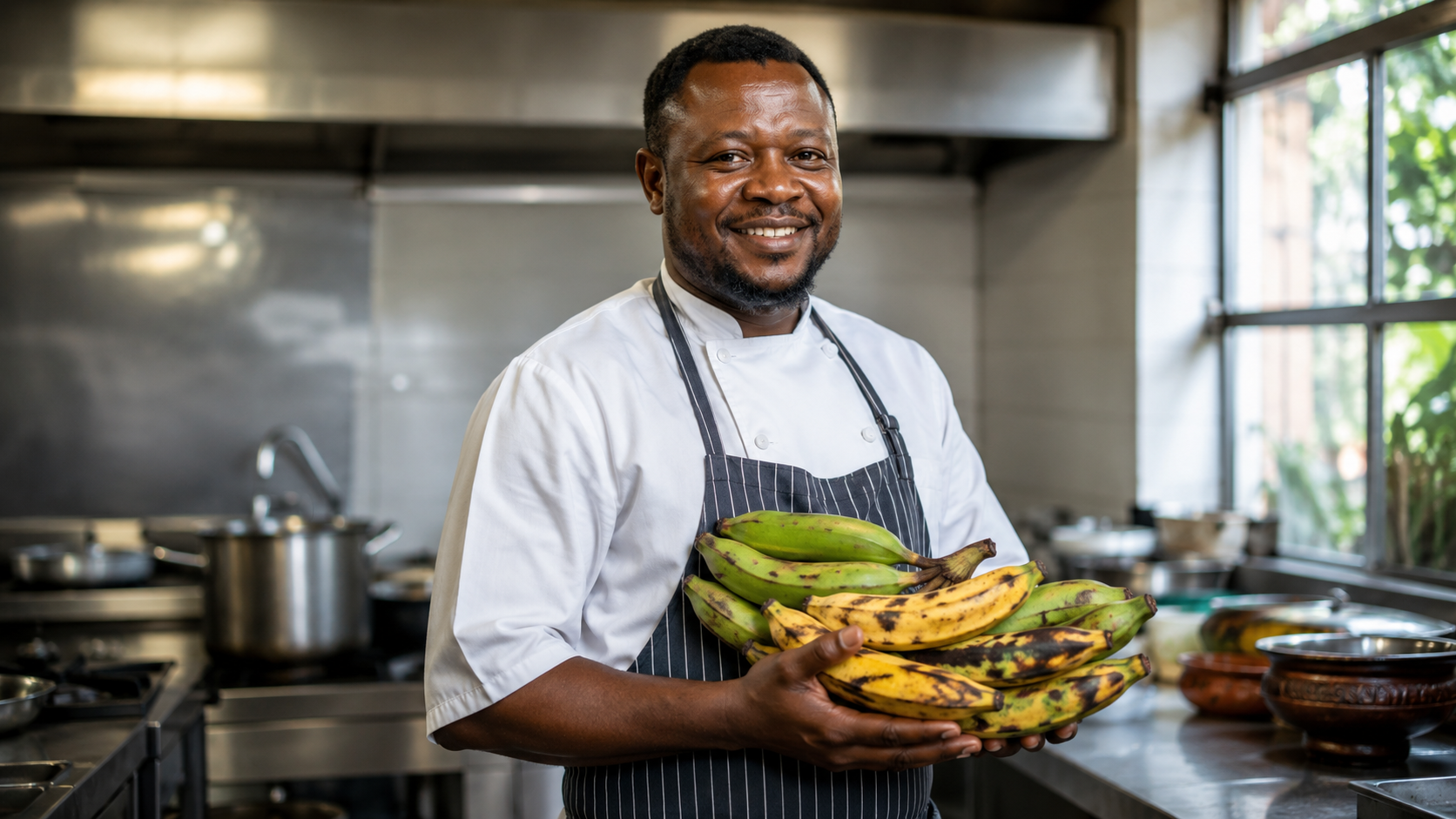
| Unripe | Green peel | Firm, starchy and mildly savoury | Chips, porridge, boiling, plantain swallow |
| Semi-ripe | Green-yellow peel | Firm with slight sweetness | Porridge, boiling, roasting and grilling |
| Ripe | Yellow with black spots | Sweet, soft and aromatic | Dodo, boli, porridge and grilling |
| Overripe | Mostly black peel | Very soft and intensely sweet | Mosa, fritters, pancakes, bread and cakes |
If you need firmness and a more savoury flavour, choose green plantain. If you want caramelised sweetness, choose ripe yellow plantain. When the peel becomes almost completely black and the flesh feels very soft, use the plantain in batters or baked dishes instead of throwing it away.
What Is Plantain?
Plantains are members of the Musa group and are closely related to the bananas commonly eaten as fresh fruit. However, cooking plantains generally contain more starch and are traditionally prepared by boiling, frying, grilling, roasting or baking.
The Royal Botanic Gardens, Kew describes plantains as cultivated Musa hybrids and notes their importance as staple foods in Africa and the Americas.
Learn more about plantains at Royal Botanic Gardens, Kew
Plantain is particularly important in West African food culture, including Nigerian cuisine. It appears in everyday family meals, breakfast dishes, street food, snacks and festive menus.
One reason plantain is so useful is that its flavour and cooking properties change considerably during ripening.
Why Plantain Ripeness Matters
A green plantain behaves very differently from a yellow or black plantain.
Unripe plantains contain a large amount of starch. During maturation and ripening, starch metabolism changes and more sugars become available, contributing to the sweeter flavour and softer texture associated with ripe plantain. Scientific research on plantain development has documented both starch breakdown and changes associated with ripening and softening.
Read plantain ripening research on PubMed Central
This transformation explains why green plantain can behave almost like a starchy root vegetable while ripe plantain caramelises much more readily when fried or grilled.
Choosing the correct stage of ripeness can therefore make the difference between beautifully cooked dodo and plantain that is either too hard or too soft.
Understanding the Four Stages of Plantain Ripeness
Unripe Plantain
Unripe plantain has a green peel, firm flesh and relatively mild, starchy flavour.
The skin can be difficult to remove, so it is usually easier to cut off both ends and score the peel lengthwise before lifting it away from the flesh.
Because green plantain remains relatively firm during cooking, it works particularly well in savoury recipes such as porridge, chips, boiled plantain and plantain swallow.
Semi-Ripe Plantain
Semi-ripe plantain begins changing from green to yellow.
It develops some sweetness but still retains much of the firmness associated with green plantain.
This stage is particularly good for boiled plantain, plantain porridge and boli when you want a balance between sweetness and structure.
Ripe Plantain
A predominantly yellow peel with black spots usually indicates a ripe plantain.
The flesh is softer, sweeter and more aromatic than unripe plantain and is usually much easier to peel.
This is one of the best stages for Nigerian dodo because the plantain contains enough natural sugar to brown attractively while normally remaining firm enough to hold its shape.
Overripe Plantain
When the peel becomes mostly or completely black, the plantain may feel extremely soft.
That does not necessarily mean it should be discarded.
Overripe plantain can be excellent for mosa, fritters, pancakes, breads and cakes because its soft texture makes it easy to mash into a batter.
What Happens as Plantain Ripens?
Three noticeable changes occur during ripening.
Starch Breaks Down
Plantain accumulates substantial amounts of starch during development. As ripening progresses, starch breakdown becomes increasingly important and is associated with changes in sugar composition.
This is one reason green and ripe plantains taste so different.
The Flesh Becomes Softer
Changes within the fruit’s cellular structure cause its texture to soften.
Green plantain is dense and firm, while an overripe plantain may become soft enough to mash with very little effort.
Aroma and Sweetness Increase
Ripening also changes the plantain’s flavour and aroma, making ripe fruit considerably sweeter and more fragrant than green fruit.
These changes help determine which cooking technique will give you the best result.
Unripe Nigerian Plantain Recipes
Green plantain is an excellent choice for savoury Nigerian dishes because its firm flesh tolerates boiling, simmering and frying particularly well.
1. Boiled Unripe Plantain
Boiled unripe plantain is one of the simplest Nigerian plantain preparations and provides a neutral, starchy base for strongly flavoured sauces.
Ingredients
- 2 unripe plantains
- Water
- Salt, optional
Method
Cut off both ends of each plantain and score the skin lengthwise. Remove the peel and cut the flesh into two or three pieces.
Place the plantain in a pot and add enough water to cover it. Add a small pinch of salt if desired.
Bring to a boil and cook until the plantain is tender enough to pierce easily with a fork.
Serve with vegetable sauce, egg sauce, fish stew, pepper sauce or another savoury accompaniment.
Tastebudz Tip: Unripe plantain is not meant to taste like sweet dodo. Its appeal comes from its firm, starchy texture and ability to complement flavourful sauces.
2. Crispy Unripe Plantain Chips
Plantain chips are one of the most popular ways to prepare green plantain.
Ingredients
- 2 green plantains
- Vegetable oil for frying
- Salt
- Chilli powder or another seasoning, optional
Method
Peel the plantains and slice them as thinly and evenly as possible. A mandoline can help produce consistent slices, although a sharp knife also works.
Heat the vegetable oil and fry the slices in small batches until crisp.
Remove the chips with a slotted spoon, drain them thoroughly and season while they are still warm.
Avoid overcrowding the pan because adding too many slices at once reduces the temperature of the oil and can affect crispness.
3. Unripe Plantain Porridge
Unripe plantain works particularly well in Nigerian plantain porridge because the pieces can simmer in a seasoned sauce without immediately becoming mushy.
A typical plantain porridge may include unripe plantain, palm oil, onion, fresh pepper, crayfish, smoked fish or stockfish, seasoning and leafy vegetables such as ugu.
Peel the plantain and cut it into medium-sized chunks. Simmer it with your onions, peppers, palm oil, seasonings and preferred protein until tender.
Add leafy vegetables towards the end of cooking so they retain more of their colour and texture.
For a sweeter porridge with contrasting textures, combine one unripe plantain with one ripe plantain.
4. Plantain Fufu or Plantain Swallow
Green plantain can also be transformed into a smooth swallow and served with Nigerian soups.
Traditional West African food preparation includes boiling plantains and pounding them into fufu-style doughs. The Food and Agriculture Organization has documented plantain boiling, frying and fufu preparation as established West African food practices.
Read the FAO guide to traditional plantain preparation
At home, plantain swallow can be prepared using cooked green plantain or plantain flour.
Its relatively mild flavour works well with egusi soup, vegetable soup and other rich Nigerian soups.
Plantain itself is naturally free from gluten. However, people who need to avoid gluten for medical reasons should check packaged plantain flour for manufacturing and cross-contact information. The U.S. Food and Drug Administration explains how cross-contact affects foods labelled gluten-free.
Read the FDA gluten-free labelling guidance
Nigerian Plantain Recipes Using Ripe Plantain
Once plantain turns yellow and begins developing dark spots, its increasing sweetness makes it particularly suitable for frying, roasting and grilling.
5. Dodo – Nigerian Fried Plantain
Dodo is one of Nigeria’s most recognisable plantain dishes.
Golden and caramelised on the outside while soft inside, fried plantain can be eaten alone or served alongside jollof rice, fried rice, beans, eggs, tomato stew and many other Nigerian meals.
Ingredients
- 2 ripe plantains
- Vegetable oil for frying
- Small pinch of salt, optional
Method
Peel the plantains and slice them diagonally, into rounds or into cubes.
Heat vegetable oil over medium heat.
Carefully add the plantain pieces without overcrowding the pan. Fry until the underside becomes golden brown, then turn the pieces and cook the other side.
Remove the plantain and allow excess oil to drain before serving.
Tastebudz Chef Tip: For sweet dodo that still holds its shape, choose yellow plantains with several black spots rather than extremely soft plantains with completely black skins.
6. Boli – Nigerian Roasted Plantain
Boli is a much-loved Nigerian street food, particularly in the southern parts of the country.
Plantain is roasted or grilled until the flesh becomes tender and the exterior develops characteristic dark, smoky patches.
Both ripe and semi-ripe plantains can be used. Semi-ripe plantain produces a firmer, less sweet boli, while ripe plantain becomes softer and sweeter.
Traditionally, boli is served with pepper sauce and may also be paired with grilled fish.
At home, peel the plantain and roast it over a grill, turning periodically until browned on several sides and tender inside.
An oven or air fryer can also produce a convenient home version, although charcoal grilling provides the strongest smoky flavour.
7. Ripe Plantain Porridge
Ripe plantain produces a softer and naturally sweeter version of plantain porridge.
Because ripe plantain cooks and softens faster than green plantain, avoid vigorous stirring if you want the pieces to remain intact.
Combining ripe and unripe plantain in the same pot can give you an appealing balance of sweetness, savouriness and texture.
8. Spiced Fried Plantain
Ripe plantain pairs particularly well with chilli, ginger and aromatic spices.
Kelewele is a well-known Ghanaian example in which ripe plantain is seasoned with spices before frying.
You can create a simple Nigerian-inspired variation by tossing ripe plantain pieces lightly with fresh or ground ginger, chilli and a small amount of salt before frying.
The result combines caramelised sweetness with heat and aromatic spice.
Overripe Plantain Recipes
A nearly black plantain does not automatically belong in the bin.
If the flesh still smells fresh and shows no signs of spoilage, very ripe plantain can be one of the best ingredients for fritters and baked dishes.
Its softness makes it easy to mash, while its natural sweetness means recipes may require less added sugar.
9. Nigerian Plantain Mosa
Plantain mosa is a popular Nigerian way to use very ripe plantain.
Ingredients
- 2 overripe plantains
- Flour
- A small amount of yeast
- Pinch of salt
- Fresh or ground pepper, optional
- Warm water as required
- Vegetable oil for frying
Method
Peel the plantains and mash them thoroughly until relatively smooth.
Mix in the flour, yeast and salt. Add pepper if you prefer a sweet-and-spicy result.
Add only enough warm water to produce a thick batter.
Cover the mixture and allow it to rest before frying.
Drop small spoonfuls into hot oil and fry until golden brown and cooked through.
The very ripe plantain provides much of the characteristic sweetness and flavour.
10. Plantain Pancakes
Overripe plantain can also be incorporated into pancake batter.
Mash the plantain before mixing it with flour, egg, milk and your preferred spices.
Nutmeg, cinnamon and ginger all pair well with plantain.
Cook small portions in a lightly greased pan over moderate heat until the underside is golden, then turn and cook the second side.
Because ripe plantain already contains considerable natural sweetness, taste the mixture before adding extra sugar.
11. Plantain Bread, Muffins and Cakes
Overripe plantain can be used similarly to very ripe banana in many baked dishes.
Mash it thoroughly before folding it into bread, muffin or cake batter.
Plantain contributes moisture, sweetness and a deeper flavour than conventional dessert banana.
Warm spices including cinnamon, nutmeg, ginger and cardamom work particularly well.
Best Ways to Cook Plantain
Frying
Frying can be used for both green and ripe plantain, but the results are completely different.
Thin slices of green plantain become crisp and make excellent chips.
Ripe plantain becomes tender, golden and caramelised.
Because ripe plantain contains more available sugar, it generally browns more rapidly and should be monitored carefully.
Boiling
Boiling is particularly useful for unripe and semi-ripe plantain.
It softens the dense flesh while preserving enough structure for the plantain to be eaten with sauces, soups and stews.
Grilling and Roasting
Grilling works especially well with semi-ripe and ripe plantains.
High heat browns the exterior while making the inside tender.
Grilling also uses considerably less added oil than deep frying.
Baking
Baking is another excellent option for ripe plantain.
Whole or sliced plantains can be baked until tender, while mashed overripe plantain can be incorporated into breads, muffins and cakes.
Common Mistakes When Cooking Plantain
Choosing the Wrong Ripeness
The most common mistake is using a plantain that is unsuitable for the dish.
Use green plantain for crisp chips and savoury preparations.
Use yellow, spotted plantain when you want sweet dodo.
Use very soft, heavily blackened plantain for mosa, pancakes and baking.
Matching ripeness to the recipe is one of the easiest ways to improve your plantain cooking.
Cutting Plantain Unevenly
Plantain pieces of very different sizes will cook at different speeds.
When preparing chips or dodo, keep the pieces as consistent as possible so that they brown at approximately the same rate.
Overcrowding the Frying Pan
Putting too much plantain into the oil at once can reduce the oil temperature.
Fry in smaller batches and allow the oil to return to the correct temperature between batches when necessary.
Overcooking Ripe Plantain
Ripe plantain becomes soft quickly.
Watch it carefully during frying and avoid unnecessary stirring when making porridge with ripe plantain.
How to Store and Ripen Plantains
Green plantains can be kept at room temperature when you want them to continue ripening.
If you want to encourage faster ripening, placing plantains near ripe bananas or in a paper bag with ripe fruit can increase their exposure to ethylene.
The University of California, Davis Postharvest Research and Extension Center confirms that plantains respond to ethylene and that ethylene exposure stimulates ripening.
See UC Davis plantain storage and ripening guidance
Once your plantains have reached the ripeness you want, refrigeration can help slow further ripening.
Do not be alarmed if the peel becomes significantly darker in the refrigerator. The appearance of the skin does not always reflect the condition of the flesh.
For longer storage, peel the plantains, cut them into useful portions and place them in a freezer-safe container or bag.
Frozen ripe plantain is particularly convenient for smoothies, batters, baking and cooked dishes where perfect texture after thawing is not essential.
Flavours That Pair Well With Plantain
Plantain works with an unusually wide range of savoury and sweet ingredients.
For unripe plantain, excellent pairings include pepper, onions, garlic, ginger, crayfish, smoked fish, palm oil, leafy vegetables and tomato-based sauces.
Ripe plantain pairs particularly well with chilli, ginger, nutmeg, cinnamon, beans, eggs, rice, tomato stew and grilled meat or fish.
A small amount of salt can also help balance and enhance the sweetness of ripe fried plantain.
Plantain in Nigerian Food Culture
Plantain occupies an important place in Nigerian everyday cooking.
Dodo is served alongside rice, beans, stew and eggs. Boli is enjoyed as street food. Plantain porridge can form a complete meal, while boiled green plantain is commonly accompanied by vegetable, pepper, egg or fish-based sauces.
Plantain and banana are also economically important crops across West Africa. Research indexed by the Food and Agriculture Organization identifies Nigeria among the major plantain-producing countries in the region.
Explore FAO information on banana and plantain in West Africa
Different Nigerian communities and individual households have their own preferred seasonings, preparation methods and levels of ripeness.
That diversity is part of what makes Nigerian plantain recipes so interesting to explore.
Learn Nigerian Plantain Recipes Through Cooking Classes
Reading about plantain techniques is useful, but practical cooking provides a much clearer understanding of ripeness, heat control, texture and seasoning.
At Tastebudz Nigeria, our Tastebudz Cooking Classes give students hands-on opportunities to explore Nigerian ingredients and traditional cooking techniques with experienced instructors.
Students learn not only which ingredients to use but also why certain techniques produce better results.
Internal link recommendation: Link Tastebudz Cooking Classes to your main cooking classes or culinary programmes page.
Frequently Asked Questions About Plantain
Are Plantains and Bananas the Same?
Not exactly.
Plantains and dessert bananas are closely related members of the Musa group, but the cultivars commonly described as plantains tend to contain more starch and are generally cooked before eating.
Dessert bananas are usually softer and sweeter when ripe and are commonly eaten raw.
What Can I Cook With Green Plantains?
Green plantains are excellent for chips, porridge, boiled plantain and plantain swallow.
Their firm texture makes them particularly useful for savoury recipes.
What Is the Best Plantain for Dodo?
For sweet dodo that still holds its shape, use ripe plantains with yellow skins and several black spots.
A completely black, extremely soft plantain may brown very quickly and become difficult to turn while frying.
Can You Fry Unripe Plantain?
Yes.
Very thin slices of green plantain can be fried until crisp to make plantain chips.
Green plantain can also be cut into thicker pieces and fried for a firmer, more savoury result.
What Can I Make With Overripe Plantain?
Overripe plantain is ideal for mosa, fritters, pancakes, muffins, bread and cakes.
Its softness makes it easy to incorporate into batters, while its natural sweetness reduces the need for large amounts of added sugar.
How Can I Ripen Plantains Faster?
Keep them at room temperature and place them in a paper bag with ripe fruit such as a banana.
Ethylene produced by ripening fruit can encourage plantains to ripen more quickly.
Can Plantains Be Eaten Raw?
Very ripe plantains can be eaten without cooking, but cooking generally produces the flavour and texture associated with traditional plantain dishes.
Most Nigerian plantain preparations involve frying, boiling, roasting, grilling or baking.
Can I Freeze Plantains?
Yes.
For convenience, peel the plantain before freezing and divide it into suitable portions.
The texture may become softer after freezing and thawing, making frozen plantain particularly suitable for porridge, mosa, pancakes and baked recipes.
Conclusion: One Ingredient, Many Nigerian Plantain Recipes
Plantain demonstrates how dramatically one ingredient can change as it ripens.
Green plantains are firm and starchy, making them excellent for chips, boiling, porridge and savoury dishes. Yellow plantains become sweeter and work beautifully for dodo, boli and ripe plantain porridge. When plantains become extremely soft and their skins turn almost completely black, they can be transformed into mosa, pancakes, breads and cakes.
Learning to recognise these stages allows you to select the right plantain before you begin cooking rather than trying to force the wrong level of ripeness into a recipe.
Whether you are training for a culinary career, developing your skills as a home cook or simply exploring Nigerian food, experimenting with plantains at several stages of ripeness is an excellent way to understand the relationship between ingredients, flavour, texture and cooking technique.
Explore More Nigerian Ingredients
To deepen your knowledge of local produce and traditional Nigerian cooking, explore our Nigerian Ingredients Guide, where we examine more of the ingredients that shape Nigerian cuisine.
Internal link recommendation: Link Nigerian Ingredients Guide directly to the relevant Tastebudz article or category page.
Elevate Your Culinary Skills With Tastebudz Nigeria
At Tastebudz Nigeria, we celebrate authentic Nigerian flavours while helping students develop practical culinary skills.
Our culinary programmes combine theoretical knowledge with hands-on training, covering essential cooking techniques as well as specialised aspects of Nigerian and international cuisine.
Whether you are preparing for a professional culinary career or simply want to become more confident in the kitchen, Tastebudz courses offer opportunities to learn from experienced instructors in a practical environment.
Internal link recommendation: Add a contextual link from culinary programmes to your course/programmes page.
Experience Tastebudz Nigeria Catering
Tastebudz Nigeria also provides catering services for private celebrations, corporate events and special occasions.
Our menus showcase the richness of Nigerian cuisine while combining authentic flavours with professional presentation and service.
From intimate gatherings to larger events, our goal is to create memorable food experiences rooted in quality Nigerian cooking.
Internal link recommendation: Link catering services to your catering page.
Why this version should perform better in Rank Math
The exact focus keyword “Nigerian plantain recipes” now appears in the SEO title, recommended URL, H1, first sentence, body copy, an H2 and the conclusion. I also corrected the heading hierarchy so there is only one main H1, removed the duplicated second half of your original draft, repaired the broken comparison table, and added external links only to credible sources such as Kew, FAO, UC Davis, peer-reviewed research and the FDA.
I would definitely use /blog/nigerian-plantain-recipes/ rather than /blog/plantain-recipes/ if the focus keyword will remain “Nigerian plantain recipes.” That directly addresses the red “Focus Keyword not found in the URL” warning you showed earlier.
Perfect — I checked the actual Tastebudz website, so I can now use real internal links from tastebudzng.com instead of placeholders. The site has dedicated pages for culinary courses, applications, catering enquiries, the academy, and other services.
For the plantain article, I recommend linking these phrases internally:
- Tastebudz Cooking Classes / culinary programmes → Tastebudz Culinary Courses. This page lists programmes including African Culinary Arts, International Cuisine, baking and professional chef diplomas.
- Saturday cooking classes → Saturday Cooking Classes. The course includes Nigerian and international cooking, baking and grilling.
- Apply / enrol at Tastebudz → Tastebudz Application.
- Tastebudz Nigeria / about the academy → About Tastebudz. This page also describes Tastebudz’s catering operations and culinary academy.
- catering services → Tastebudz Catering Enquiries. This is currently the site’s form for catering enquiries and bookings.
- Tastebudz Culinary Academy → Tastebudz Homepage.
For example, I would rewrite your commercial section like this:
Learn Nigerian Plantain Recipes at Tastebudz Culinary Academy
Reading about plantain techniques is useful, but hands-on cooking makes it easier to understand how ripeness, temperature, seasoning and cooking methods affect the final dish.
At Tastebudz Culinary Academy, students can develop practical culinary skills through programmes covering Nigerian, African and international cuisine. Our training combines culinary theory with hands-on preparation, helping students understand not only what to cook but why different techniques produce different results.
Students interested in developing their skills further can explore our culinary courses, including African Culinary Arts and professional chef programmes.
Explore Tastebudz Culinary Courses
Elevate Your Culinary Skills With Tastebudz Nigeria
Tastebudz Culinary Academy provides practical culinary education for aspiring chefs and enthusiastic home cooks. Our programmes cover fundamental cooking techniques, Nigerian and international cuisine, baking, pastry arts and professional kitchen skills.
If you are ready to take the next step in your culinary journey, you can explore available programmes and submit an application online.
Apply to Tastebudz Culinary Academy
Experience Tastebudz Nigeria Catering
Tastebudz also provides catering services for corporate functions, weddings, social gatherings and special occasions. The company offers catering solutions ranging from event food service to corporate meal services and other customised arrangements.
For private events, corporate functions or other catering enquiries, use the Tastebudz booking form.
One change I would make to the earlier article: do not create a “Nigerian Ingredients Guide” link unless that page actually exists on Tastebudz. I couldn’t verify a dedicated Nigerian Ingredients Guide page in the current site search, so linking that phrase to a nonexistent or unrelated page would be poor for both UX and SEO.
I can now rewrite the entire plantain article one final time, with the correct Tastebudz internal links, credible external links, Rank Math-friendly focus-keyword placement, and ready-to-paste WordPress formatting.
Absolutely — here is the final cleaned-up version. I’ve removed the duplicated content, improved the H1/H2/H3 structure, placed the exact focus keyword naturally, strengthened the Tastebudz calls to action, and added only relevant authoritative external references.
One SEO note before publishing: I recommend /blog/nigerian-plantain-recipes/ rather than /blog/plantain-recipes/ because your Rank Math focus keyword is “Nigerian plantain recipes.” If the old URL is already live and indexed, use a 301 redirect rather than simply changing it.
Focus Keyword: Nigerian plantain recipes
SEO Title: Nigerian Plantain Recipes: Ripe, Unripe & Overripe Ideas
Meta Description: Discover Nigerian plantain recipes for unripe, ripe and overripe plantains, from dodo and porridge to chips, mosa, fufu and plantain bread.
Recommended URL: /blog/nigerian-plantain-recipes/
Nigerian Plantain Recipes: From Unripe to Ripe and Overripe Plantains
Nigerian plantain recipes show just how versatile one ingredient can be. Depending on its stage of ripeness, plantain can be firm and starchy, slightly sweet, soft and caramelised, or intensely ripe and ideal for fritters, pancakes and baked dishes.
Across Nigerian kitchens, plantain can become crispy chips, hearty plantain porridge, golden dodo, smoky boli, plantain swallow or sweet mosa. The secret is knowing which stage of ripeness works best for the dish you want to prepare.
At Tastebudz Nigeria, we believe that understanding how ingredients behave is an important part of becoming a more confident cook. Plantain is a perfect example. The same fruit can produce completely different flavours and textures simply by changing its ripeness and cooking method.
In this guide, we explore how plantain changes as it ripens, how to choose the right plantain for different dishes, and some delicious Nigerian plantain recipes you can prepare at home.
Quick Guide: Which Plantain Should You Use?
| Plantain Stage | Appearance | Taste & Texture | Best Uses |
|---|---|---|---|
| Unripe | Green peel | Firm, starchy and mildly savoury | Chips, porridge, boiling, plantain swallow |
| Semi-ripe | Green-yellow peel | Firm with mild sweetness | Porridge, boiling, roasting and grilling |
| Ripe | Yellow with black spots | Soft, sweet and aromatic | Dodo, boli, porridge and grilling |
| Overripe | Mostly black peel | Very soft and intensely sweet | Mosa, fritters, pancakes, bread and cakes |
If you want structure and a savoury flavour, choose green plantain. For caramelised sweetness, choose ripe yellow plantain. When the peel is almost completely black and the flesh feels very soft, use it for fritters, pancakes and baking rather than throwing it away.
What Is Plantain?
Plantain belongs to the Musa group and is closely related to the bananas commonly eaten as fresh fruit.
Plantains are generally starchier than dessert bananas and are commonly cooked before eating. They can be boiled, fried, roasted, grilled, baked or processed into flour.
The Royal Botanic Gardens, Kew describes plantain as an important staple food across Africa and the Americas and notes that green plantains are commonly fried, boiled or made into flour.
For additional botanical information, see Royal Botanic Gardens, Kew – Plantain.
In Nigeria, plantain appears in breakfast dishes, family meals, snacks, street food and celebration menus.
What makes it particularly interesting is how dramatically its flavour, texture and cooking properties change during ripening.
Why Plantain Ripeness Matters
Green plantain behaves very differently from yellow or heavily ripened plantain.
Plantain fruit accumulates substantial amounts of starch during development. As ripening begins, starch breakdown, sugar metabolism and pulp softening become increasingly important. Research into plantain ripening has identified changes involving starch breakdown, ethylene activity and fruit softening.
You can read more about the science here: Plantain ripening research on PubMed Central.
In practical cooking terms, this explains why green plantain is dense and starchy while ripe plantain becomes sweeter, softer and more suitable for caramelisation.
Choosing the correct stage of ripeness can therefore make the difference between excellent dodo and fried plantain that is either too hard or too soft.
Understanding the Stages of Plantain Ripening
Unripe Plantain
Unripe plantain has a green peel, firm flesh and a mild, starchy flavour.
The peel is often difficult to remove, so cutting off both ends and scoring the skin lengthwise usually makes peeling easier.
Because green plantain remains relatively firm during cooking, it works particularly well in savoury recipes such as plantain porridge, boiled plantain, plantain chips and plantain swallow.
Semi-Ripe Plantain
Semi-ripe plantain begins changing from green to yellow.
It develops some sweetness while retaining much of the firmness associated with unripe plantain.
This stage is especially useful for boiled plantain, plantain porridge and boli when you want a balance between sweetness and structure.
Ripe Plantain
A predominantly yellow peel with several black spots usually indicates ripe plantain.
The flesh is softer, sweeter and more aromatic than green plantain and is generally much easier to peel.
This is one of the best stages for Nigerian dodo because the plantain has enough natural sweetness to brown attractively while still being firm enough to hold its shape.
Overripe Plantain
Once the peel becomes mostly or completely black, the flesh can become extremely soft and sweet.
That does not automatically mean the plantain should be discarded.
Overripe plantain is excellent for mosa, fritters, pancakes, muffins, breads and cakes because its soft flesh can easily be mashed into a batter.
What Happens to Plantain as It Ripens?
Starch Begins to Break Down
Green plantain is particularly rich in starch.
As the fruit matures and ripens, changes in starch and sugar metabolism contribute to the difference between the firm texture of green plantain and the sweeter characteristics of ripe fruit.
The Flesh Becomes Softer
The structure of the fruit changes during ripening, producing a softer pulp.
This is why green plantain can withstand lengthy simmering while an overripe plantain may become soft enough to mash with very little effort.
Flavour and Aroma Develop
Ripening also affects the compounds responsible for flavour and aroma.
The result is the richer, sweeter fragrance associated with ripe plantain.
These changes determine which cooking methods will give you the best results.
Unripe Nigerian Plantain Recipes
Green plantain is ideal for savoury Nigerian dishes because its firmness allows it to tolerate boiling, simmering and frying without quickly becoming mushy.
1. Boiled Unripe Plantain
Boiled unripe plantain is one of the simplest ways to prepare green plantain.
What You Need
- 2 unripe plantains
- Water
- Salt, optional
Method
Cut off both ends of the plantain and score the skin lengthwise.
Remove the peel and cut each plantain into two or three pieces.
Place the plantain in a pot and add enough water to cover it. Add a small amount of salt if desired.
Boil until the plantain is tender enough to pierce easily with a fork.
Serve with vegetable sauce, egg sauce, fish stew, pepper sauce or another savoury accompaniment.
Tastebudz Tip: Do not expect green plantain to taste like sweet dodo. Its appeal comes from its firm, starchy texture and its ability to complement richly seasoned sauces.
2. Crispy Unripe Plantain Chips
Plantain chips are one of the most popular ways to use green plantain.
What You Need
- 2 green plantains
- Vegetable oil for frying
- Salt
- Chilli powder or another seasoning, optional
Method
Peel the plantains and slice them as thinly and evenly as possible.
A mandoline can produce very consistent slices, although a sharp kitchen knife also works.
Heat the vegetable oil and fry the plantain slices in small batches until crisp.
Remove them with a slotted spoon and allow the excess oil to drain.
Season while still warm.
For the best texture, avoid overcrowding the frying oil.
3. Unripe Plantain Porridge
Unripe plantain is particularly good for Nigerian-style plantain porridge because the pieces can simmer in the sauce while retaining some structure.
Typical ingredients include:
- Unripe plantain
- Palm oil
- Onion
- Fresh pepper
- Crayfish
- Smoked fish or stockfish
- Seasoning
- Ugu or other leafy vegetables
Peel the plantain and cut it into medium-sized chunks.
Simmer with your onions, peppers, palm oil, seasonings and preferred protein until the plantain becomes tender.
Add leafy vegetables towards the end of cooking so that they retain more colour and texture.
For a sweeter porridge with contrasting textures, combine one unripe plantain with one ripe plantain.
4. Plantain Fufu or Plantain Swallow
Unripe plantain can also be transformed into a smooth swallow and served with Nigerian soups.
Traditional West African food preparation includes boiling plantain and pounding it into a smooth dough. The Food and Agriculture Organization documents boiling, frying, roasting and pounding plantain into fufu as established preparation methods in West Africa.
For more background, see FAO guidance on traditional plantain preparation.
Plantain swallow can be prepared at home using cooked green plantain or plantain flour.
Its mild flavour pairs well with vegetable soup, egusi soup and many other rich Nigerian soups.
Nigerian Plantain Recipes Using Ripe Plantain
Once plantain becomes yellow and develops dark spots, its sweetness makes it particularly suitable for frying, grilling and roasting.
5. Dodo – Nigerian Fried Plantain
Dodo is one of Nigeria’s most recognisable plantain dishes.
Golden and caramelised outside while soft inside, fried plantain can be enjoyed on its own or paired with jollof rice, fried rice, beans, eggs, tomato stew and many other Nigerian dishes.
What You Need
- 2 ripe plantains
- Vegetable oil
- Small pinch of salt, optional
Method
Peel the plantain and slice it diagonally, into rounds or into cubes.
Heat vegetable oil over medium heat.
Carefully add the plantain without overcrowding the pan.
Fry until one side becomes golden brown, then turn the pieces and cook the other side.
Remove and allow excess oil to drain before serving.
Tastebudz Chef Tip: For dodo that is sweet but still holds its shape, choose yellow plantains with several black spots rather than extremely soft plantains with completely black skins.
6. Boli – Nigerian Roasted or Grilled Plantain
Boli is a much-loved Nigerian street food.
Plantain is roasted or grilled until the flesh becomes tender and the exterior develops dark, smoky patches.
Both semi-ripe and ripe plantains work well.
Semi-ripe plantain produces firmer, less sweet boli, while ripe plantain produces a softer and sweeter result.
Boli is commonly enjoyed with pepper sauce and can also be served with grilled fish.
To prepare it at home, peel the plantain and place it on a grill over moderate heat. Turn periodically until browned on several sides and tender inside.
An oven or air fryer can also be used for a convenient home version, although direct grilling produces a more pronounced smoky character.
7. Ripe Plantain Porridge
Ripe plantain produces a sweeter and softer version of plantain porridge.
Because ripe plantain softens faster than green plantain, avoid excessive stirring or prolonged cooking when you want the pieces to remain intact.
Combining ripe and unripe plantain in the same pot can give you a particularly enjoyable balance of sweetness, savouriness and texture.
8. Spiced Fried Plantain
Ripe plantain pairs beautifully with chilli, ginger and aromatic spices.
Kelewele is a famous Ghanaian example of spicy fried ripe plantain, demonstrating how well plantain works with warming seasonings.
For a simple variation at home, lightly season ripe plantain pieces with ginger, chilli and salt before frying.
The finished dish combines caramelised sweetness with gentle heat and spice.
Overripe Plantain Recipes
A nearly black plantain does not automatically belong in the bin.
If the fruit is still in good condition, very ripe plantain can be one of the best ingredients for fritters and baked dishes.
Its softness makes it easy to mash, while its intense sweetness can also reduce the amount of additional sugar needed in some recipes.
9. Nigerian Plantain Mosa
Plantain mosa is an excellent Nigerian recipe for using very ripe plantain.
What You Need
- 2 overripe plantains
- Flour
- A small amount of yeast
- Salt
- Pepper, optional
- Warm water as required
- Vegetable oil for frying
Method
Peel and mash the plantains until relatively smooth.
Mix in the flour, yeast and a small pinch of salt.
Add pepper if you prefer a sweet-and-spicy flavour.
Add only enough warm water to create a thick batter.
Allow the mixture to rest, then drop small spoonfuls carefully into hot oil.
Fry until golden brown and cooked through.
The sweetness of the very ripe plantain gives mosa much of its distinctive flavour.
10. Plantain Pancakes
Overripe plantain can also be incorporated into pancake batter.
Mash the plantain and combine it with flour, egg, milk and your preferred spices.
Nutmeg, cinnamon and ginger all pair well with plantain.
Cook small portions in a lightly greased pan until golden underneath, then turn and cook the second side.
Because overripe plantain is naturally sweet, taste the mixture before adding extra sugar.
11. Plantain Bread, Muffins and Cakes
Overripe plantain can be used in many baked dishes in a similar way to very ripe banana.
Mash the fruit thoroughly and incorporate it into bread, muffin or cake batter.
Plantain contributes moisture, natural sweetness and a distinctive flavour.
Warm spices such as cinnamon, nutmeg, ginger and cardamom complement it particularly well.
Best Cooking Methods for Plantain
Frying
Frying works for both green and ripe plantain, although the results are very different.
Thinly sliced green plantain can become crisp enough for chips.
Ripe plantain becomes golden, tender and caramelised.
Because ripe plantain browns more readily, monitor it closely while frying.
Boiling
Boiling is particularly suitable for unripe and semi-ripe plantain.
It softens the dense flesh while allowing the plantain to retain enough structure to accompany sauces, soups and stews.
Grilling and Roasting
Grilling works especially well for semi-ripe and ripe plantain.
The exterior develops attractive browning while the inside becomes tender.
Grilling can also be a useful alternative when you want to prepare plantain with less added oil than deep frying.
Baking
Baking works well with ripe plantain and dishes made with mashed overripe plantain.
Whole or sliced plantain can be baked until tender, while mashed plantain can be incorporated into breads, cakes and muffins.
Common Mistakes When Cooking Plantain
Choosing the Wrong Ripeness
One of the most common mistakes is using a plantain that is unsuitable for the intended dish.
Use green plantain when you want crispy chips or savoury preparations.
Use ripe yellow plantain for sweet dodo.
Use very soft, heavily blackened plantain for mosa, pancakes and baking.
Matching ripeness to the recipe is one of the simplest ways to improve your plantain cooking.
Cutting Plantain Unevenly
Pieces of different thicknesses cook at different rates.
Whether you are preparing chips or dodo, keep the pieces as consistent in size as possible.
Overcrowding the Frying Pan
Putting too much plantain into the oil at once can lower the oil temperature and interfere with browning.
Fry in smaller batches for more consistent results.
Overcooking Ripe Plantain
Ripe plantain softens quickly.
Monitor it carefully when frying and avoid excessive stirring when using ripe plantain in porridge.
How to Store and Ripen Plantains
If your plantains are green and you want them to ripen, keep them at room temperature.
Plantain is an ethylene-responsive fruit. UC Davis notes that exposure to ethylene stimulates plantain ripening.
For detailed post-harvest information, see UC Davis Postharvest Research – Plantain.
At home, putting plantains in a paper bag with ripening fruit such as a banana can help create an environment that encourages ripening.
Once plantains have reached the stage you want, refrigeration can help slow further ripening.
The peel may darken substantially in the refrigerator, so assess the flesh as well as the appearance of the skin.
For longer storage, peel and portion the plantains before freezing them in a suitable freezer-safe container.
Frozen plantain is particularly useful for cooked dishes, batters and baking.
Best Flavours to Pair With Plantain
Plantain works with an unusually broad range of Nigerian and international flavours.
Unripe plantain pairs particularly well with pepper, onion, garlic, ginger, crayfish, smoked fish, palm oil, leafy vegetables and tomato-based sauces.
Ripe plantain works beautifully with chilli, ginger, nutmeg, cinnamon, beans, rice, eggs, tomato stew and grilled meat or fish.
A small amount of salt can also balance and enhance the natural sweetness of ripe fried plantain.
Plantain in Nigerian Food Culture
Plantain has an established place in Nigerian everyday cooking.
Dodo can accompany rice, beans, stew or eggs. Boli is enjoyed as street food. Plantain porridge can become a complete family meal, while boiled green plantain can be served with vegetable, fish, egg or pepper-based sauces.
Historical FAO documentation also records boiling, frying, roasting and pounding plantain among common West African preparation methods.
Different communities and households naturally have their own preferred seasonings, techniques and levels of ripeness.
This diversity is part of what makes Nigerian plantain recipes so rewarding to explore.
Learn Nigerian Plantain Recipes and Cooking Techniques at Tastebudz
Reading about cooking techniques is useful, but practical experience can make it much easier to understand ingredient selection, ripeness, seasoning, texture and heat control.
Tastebudz Culinary Academy offers hands-on culinary training covering African and international cuisines, professional techniques, baking, pastry and other areas of culinary education.
For students particularly interested in Nigerian and African food, the academy’s African Culinary Arts course includes African ingredients, traditional cooking techniques, Nigerian dishes, street foods and regional cuisines.Explore the Tastebudz African Culinary Arts Course
Tastebudz also offers Saturday cooking classes covering hands-on cooking, baking, grilling and other foundational culinary skills.Explore Tastebudz Saturday Cooking Classes
Frequently Asked Questions About Plantain
Are Plantains and Bananas the Same?
No, although they are closely related.
Plantains are generally starchier and are commonly cooked before eating, while dessert bananas are usually sweeter and frequently eaten raw. Kew also describes plantain as substantially starchier than conventional dessert bananas.
What Can I Cook With Green Plantain?
Green plantain is excellent for chips, porridge, boiled plantain and plantain swallow.
Its firm texture makes it particularly useful for savoury dishes.
What Is the Best Plantain for Dodo?
For sweet dodo that still holds its shape, choose ripe plantains with predominantly yellow skins and several black spots.
Extremely soft plantain with a completely black peel can brown very rapidly and may be more difficult to handle during frying.
Can You Fry Unripe Plantain?
Yes.
Thinly sliced green plantain can be fried until crisp to make plantain chips.
It can also be cut into thicker pieces and fried for a firmer and much less sweet result.
What Can I Make With Overripe Plantain?
Overripe plantain is excellent for mosa, fritters, pancakes, muffins, breads and cakes.
Its soft texture makes it particularly suitable for batters.
How Can I Ripen Plantain Faster?
Keep the plantain at room temperature and consider placing it in a paper bag with ripening fruit such as a banana.
Ethylene encourages plantain ripening.
Can Plantain Be Eaten Raw?
Very ripe plantain can be eaten without cooking, but plantains are generally prepared by cooking to produce the textures and flavours associated with traditional dishes.
Frying, boiling, roasting, grilling and baking are all widely used preparation methods.
Can I Freeze Plantain?
Yes.
Peel and portion your plantain before freezing it.
After thawing, the texture may be softer, so frozen plantain is especially convenient for porridge, mosa, pancakes and baked recipes.
Conclusion: One Ingredient, Many Nigerian Plantain Recipes
Plantain demonstrates how dramatically a single ingredient can change as it ripens.
Green plantains are firm and starchy, making them excellent for chips, boiling, porridge and savoury dishes. Yellow ripe plantains become sweeter and work beautifully for dodo, boli and ripe plantain porridge. Once plantains become extremely soft and their skins turn almost completely black, they can be transformed into mosa, pancakes, breads and cakes.
Learning to recognise the different stages allows you to choose the right plantain before cooking instead of trying to make the wrong level of ripeness work for a particular recipe.
Whether you are preparing for a culinary career, improving your skills as a home cook or simply exploring Nigerian food, experimenting with plantain at different stages of ripeness is an excellent way to develop your understanding of ingredients, texture and flavour.