
The Foundation of Trust: Food Safety and Compliance
In food science, safety is the prerequisite for consumption. In the Nigerian market, it is also the primary component of brand reputation. The National Agency for Food and Drug Administration and Control (NAFDAC) enforces food hygiene regulations designed to protect public health. For a culinary entrepreneur, compliance is not merely a legal hurdle but a competitive advantage.
Central to these regulations is the Hazard Analysis and Critical Control Points (HACCP) system. HACCP is a systematic, preventive approach to food safety that identifies physical, chemical, and biological hazards in production processes. In the Nigerian context, HACCP is regulated under NAFDAC food hygiene regulations. While HACCP certification is voluntary for businesses strictly serving the domestic market unless mandated by specific federal regulations or export requirements, the implementation of its principles is mandatory for quality assurance.
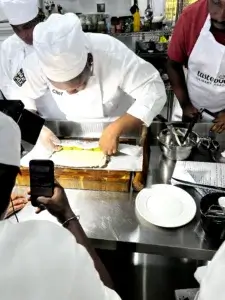
Restaurants and catering businesses must establish critical control points in their workflow. These points include strict temperature controls to prevent bacterial growth, proper documentation to trace ingredients, and recall procedures in case of contamination. By maintaining these standards, a business signals to clients that it prioritizes their well-being, fostering a level of trust that traditional advertising cannot buy. For comprehensive guidance on these protocols, operators can refer to our detailed guide on NAFDAC compliance guidelines.
Product Quality: Your Best Marketing Tool
Marketing generates attention, but product quality retains it. In the culinary sector, the “product” is the sensory experience delivered to the consumer. The most effective marketing strategy for a food business is the development of a signature dish that creates a craving and ensures customer recall. In Nigeria, few dishes offer as much potential for brand differentiation as Jollof Rice.
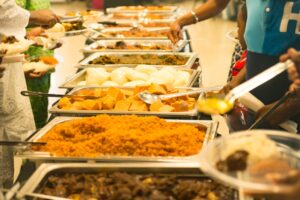
A mastery of authentic Nigerian Jollof Rice serves as a litmus test for a chef’s competence. The dish is ubiquitous, yet the variation in quality is vast. A caterer who can consistently produce the smoky, rich, and texture-perfect version known as “Party Jollof” establishes immediate authority. This requires moving beyond anecdotal cooking methods to a precise, scientific understanding of ingredients and heat application.
Case Study: Mastering Authentic Nigerian Party Jollof
The scientific principles behind authentic Nigerian Jollof Rice are often misunderstood. The traditional method often called “Party Jollof” is distinct from other rice dishes because the rice is cooked directly in the stew base, allowing for gradual absorption and flavor integration. The parboiled rice typically used in Nigeria, such as Caprice or Mama Gold, has already undergone processing during manufacturing to gelatinize the starch. Therefore, double parboiling is unnecessary and detrimental to the grain’s structure.
Furthermore, the signature smoky flavor profile is a result of the Maillard reaction and caramelization. This occurs when the stew is fried (“bleached”) until the oil separates and when the rice at the bottom of the pot is slightly scorched, creating a layer known as “konko.” This process is best replicated over firewood, which imparts a specific smoke profile, though gas cookers can simulate this through careful heat management. Liquid smoke is an artificial substitute that lacks the complexity of firewood cooking or true caramelization.
Below is a technical breakdown of how to execute this dish for maximum impact.
Recipe Details
- Prep Time: 20 minutes
- Cook Time: 45 minutes
- Total Time: 1 hour 5 minutes
- Servings: 6 people
- Difficulty Level: Medium
Ingredients Needed
Base Components
- Parboiled Rice: 3 cups (Brands like Caprice or Mama Gold are recommended. Do not parboil again).
- Plum Tomatoes: 500g
- Tatashe (Bell Peppers): 2 large pieces
- Rodo (Scotch Bonnet Peppers): 1 to 2 pieces (Adjust based on heat tolerance)
- Onions: 1 large (chopped) + 1 small (sliced or blended)
- Vegetable Oil: 150ml (Coconut oil is not traditional for Nigerian Jollof; vegetable oil provides the necessary stability for “bleaching”)
Seasonings and Aromatics
- Curry Powder: 2 tablespoons
- Dried Thyme: 1 teaspoon
- Bay Leaves: 2 leaves
- Stock Cubes: 2 cubes
- Salt: To taste
Optional Proteins
- Smoked Turkey or Fish: 1 cup (Added for depth, though not required for the classic profile)
Equipment Needed
- Large pot or Dutch oven (Cast iron is ideal for heat retention and creating the “konko”)
- Blender or food processor
- Ladle or wooden spoon (for stirring without breaking grains)
- Food thermometer (essential for verifying safety temperatures during storage/reheating)
Instructions
- Prepare the Base: Process the plum tomatoes, tatashe, rodo, and the small onion in a blender. It is advisable to blend roughly to retain some texture, which contributes to the mouthfeel of the final dish.
- Bleach the Stew: Heat the vegetable oil in a large pot over medium-high heat. Pour in the blended pepper mix. Fry this mixture patiently. The goal is to “bleach” the stew—frying until the water content evaporates, the oil separates and rises to the surface, and the mix darkens significantly. This reduction concentrates the sugars and flavors, necessary for the authentic taste.
- Bloom the Spices: Add the chopped onions, curry powder, thyme, bay leaves, and stock cubes to the fried stew. Sauté for approximately 2 minutes. This process releases the volatile oils in the spices, enhancing their aromatic impact.
- Introduce Stock: Pour in the chicken or beef stock. Bring the liquid to a rolling boil. Taste the mixture at this stage to adjust the salt content. Remember, the rice will absorb some of the salt, so the liquid should be slightly saltier than the desired final result.
- Incorporate Rice: Rinse the parboiled rice once in salted water. Drain and add the rice to the boiling stew. Stir gently with a wooden spoon to ensure the grains are submerged and evenly distributed. Avoid excessive stirring to prevent releasing excess starch, which causes the rice to become mushy.
- Simmer: Reduce the heat to low or medium. Cover the pot with a tight-fitting lid. Allow the rice to cook in the steam. The trapped heat will gelatinize the starch in the rice gradually. Avoid the urge to open the lid frequently, as this lowers the temperature and affects the cooking uniformity.
- Create “Konko” (The Party Style): Once the liquid is almost fully absorbed (typically after 35-40 minutes), increase the heat slightly for the last 5 minutes. This encourages the formation of the crust at the bottom of the pot. Listen for a slight crackling sound; this indicates the Maillard reaction is occurring, creating the smoky, caramelized layer known as “konko.”
- Rest and Serve: Turn off the heat and allow the pot to sit, covered, for 5 to 10 minutes. This resting period lets the moisture redistribute evenly throughout the pot. Fluff gently with a fork before serving to preserve the grain structure.
Storage and Reheating Tips
Food safety is a chemical process. Bacteria grow rapidly in the “danger zone” between 4°C and 60°C.
- Cooling: After cooking, cool the rice rapidly. Do not leave it at room temperature for more than 2 hours. Divide into shallow airtight containers to increase surface area for cooling.
- Reheating: When reheating, ensure the internal temperature reaches 74°C (165°F) to eliminate any potential bacterial growth.
Digital Marketing Strategies for Chefs
Once a high-quality product is established, digital marketing becomes the vehicle for visibility. The sensory experience of food visuals, aroma, and taste must be translated into digital content.
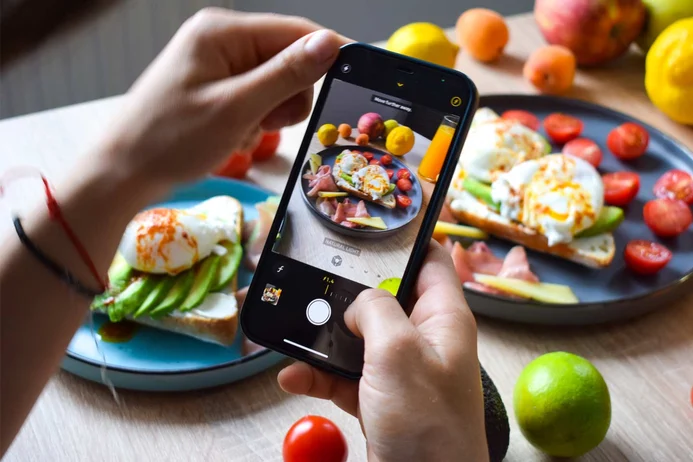
Visual Storytelling: High-quality visuals are non-negotiable. Using the Party Jollof recipe above, content creators should focus on macro photography that highlights the “bleached” red color of the grains and the texture of the smoky bottom layer. These visuals serve as proof of competence.
Local SEO: Most catering clients search for services with local intent. Optimizing a Google My Business profile is critical. Ensure the business description includes semantic variations of keywords such as “catering services in [City Name]” and specific food items like “authentic Nigerian Jollof.” This signals relevance to search engines for users looking for food business tips Nigeria or services in their vicinity.
Content Marketing: Share behind-the-scenes videos that demonstrate hygiene standards. Showing the process of washing ingredients, checking temperatures with a thermometer, or the specific “bleaching” technique for the stew builds authority. It proves to the audience that the business is professional and adheres to safety standards. For event planners requiring professional execution, view our professional catering solutions.
Frequently Asked Questions
What are the legal requirements for starting a food business in Nigeria?
You must comply with NAFDAC food hygiene regulations. While HACCP certification is voluntary unless you are exporting or regulated by specific federal laws, implementing food safety protocols like temperature control, hazard analysis, and documentation is crucial for consumer safety and legal operation.
How can I make my Jollof rice taste like “Party Jollof”?
Authentic Party Jollof requires cooking the rice directly in a well-fried tomato stew (a process called bleaching) and finishing it over higher heat to create “konko” (caramelized bottom). Avoid double parboiling the rice, as parboiled rice is already processed during manufacturing. The smoky flavor traditionally comes from firewood cooking or the caramelization of the stew, not artificial additives.
Is coconut oil good for Nigerian Jollof?
No, vegetable oil is the traditional fat for authentic Nigerian Jollof. Coconut oil has a distinct flavor profile and a lower smoke point compared to neutral vegetable oils, which alters the traditional taste and texture of the dish.
How often should I update my catering menu?
Seasonally. Keeping staples like Jollof rice which is a consistent market demand but adding seasonal soups or proteins keeps the menu fresh for repeat customers and allows for sourcing ingredients when they are most cost-effective.
Conclusion
Success in the Nigerian culinary industry is a function of operational excellence and strategic communication. It begins with the rigorous application of food safety science specifically NAFDAC and HACCP principles to ensure that the product is safe. It is amplified by the mastery of cultural staples like Party Jollof, where technique (bleaching, heat control) distinguishes a brand from competitors. When product quality meets systematic marketing, a culinary business transitions from a kitchen experiment to a sustainable enterprise.
Ready to Launch Your Culinary Career?
Mastering the art and business of food requires mentorship and hands-on training. Whether you need to refine your techniques or learn the business acumen required to run a kitchen, professional guidance is invaluable.
Call to Action: Join Tastebudz Academy today to access professional catering courses and business coaching tailored for the Nigerian market.