The Booming Culinary Scene in Nigeria
The distinction between home cooking and professional catering lies in consistency, scale, and safety management. As the demand for packaged foods and event catering rises, so does the necessity for standardized processes. To successfully turn cooking into business, an aspiring entrepreneur must bridge the gap between informal preparation and professional standards. This involves understanding the economics of food production and the chemistry of taste that keeps customers returning.
Step 1: Understanding the Legal Landscape (NAFDAC & Compliance)
Establishing a legitimate cooking business Nigeria requires strict adherence to regulatory frameworks. Compliance is not merely a bureaucratic hurdle but a foundation for consumer trust and public health.
Navigating NAFDAC Regulations
The National Agency for Food and Drug Administration and Control (NAFDAC) provides the guidelines for food hygiene in Nigeria. For a small local operation, certification is often voluntary unless the business involves exporting products or falls under specific federal regulations. However, maintaining standards such as proper labeling, nutritional information disclosure, and clear manufacturing dates is critical. These elements verify the quality of the product and protect the business from legal liabilities.
Implementing HACCP for Food Safety
In Nigeria, the Hazard Analysis Critical Control Point (HACCP) system serves as the primary method for identifying and controlling food safety hazards. Regulated under NAFDAC food hygiene regulations, HACCP requires a business to maintain specific protocols. These include monitoring critical control points, adhering to strict temperature controls, establishing recall procedures, and maintaining proper documentation. Even if certification is voluntary for local sales, implementing these controls is a scientific necessity to prevent foodborne illnesses, which can irreparably damage a cooking business Nigeria.
Step 2: Perfecting Your Product: The “Party Jollof” Standard
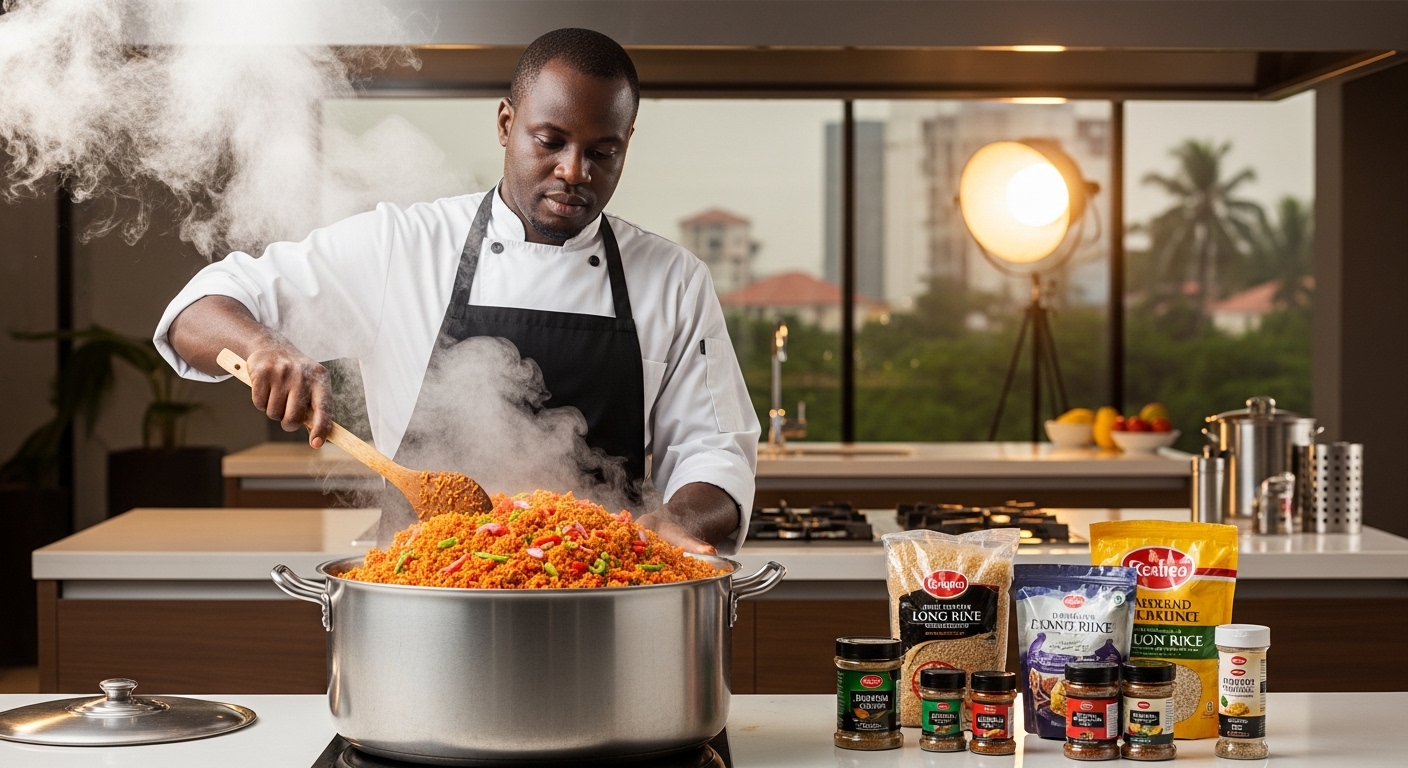
In the Nigerian market, specific dishes act as litmus tests for culinary competence. Mastering a signature dish, such as Jollof Rice, is often the primary driver for catering sales. The difference between home-cooked rice and commercial “Party Jollof” is found in the chemical reactions achieved during preparation.
Commercial taste profiles prioritize consistency and depth. The “Party Jollof” flavor is characterized by a smoky note and a texture where the grains are distinct yet infused with the stew base. This requires an understanding of heat transfer and caramelization. For those seeking to formalize their skills, professional Catering Training provides the necessary practice to scale these techniques.
Recipe: Authentic Nigerian Party Jollof Rice
The following method outlines the preparation of authentic Nigerian Jollof rice. The objective is to achieve the “Party” taste profile, smoky, rich, and well-seasoned without relying on artificial enhancers.
Recipe Details
- Prep Time: 20 minutes
- Cook Time: 45 minutes
- Total Time: 1 hour 5 minutes
- Servings: 8 people
- Difficulty Level: Medium
Equipment Needed
- Large heavy-bottomed pot or cast iron pot (for even heat retention)
- Wooden spoon or heat-resistant spatula
- High-powered blender
- Measuring cups and spoons
Ingredients
- Parboiled Rice: 3 cups (Note: Do not parboil again)
- Chicken or Beef Stock: 2 cups (water reserved from boiling meat)
- Tomato/Stew Mix: 400g (Fresh tomatoes, scotch bonnet peppers, onions)
- Vegetable Oil: 150ml (Primary fat; coconut oil is not traditional)
- Curry Powder: 2 tbsp
- Dried Thyme: 1 tbsp
- Dried Bay Leaves (Crushed): 1 tbsp
- Salt: 1 tsp (Adjust to taste)
- Stock Cubes: 2 units
- Sliced Onions: 1 large bulb

Instructions
- Prep the Base: Process the fresh tomatoes, scotch bonnet peppers, and onions in a blender until a smooth consistency is achieved.
- Bleach the Stew: Heat the vegetable oil in the pot. Introduce the pepper mix and fry on medium heat. This process, known as bleaching, involves frying until the oil separates and rises to the surface, indicating the elimination of excess water and the raw sour taste of the tomatoes.
- Add Seasoning: Incorporate the curry powder, thyme, crushed bay leaves, stock cubes, and salt into the fried mix. Continue frying for approximately 2 minutes to release the essential oils from the spices.
- Add Stock: Pour in the meat stock. Add water if necessary to ensure the liquid volume equals the volume of the rice (a 1:1 ratio is standard for parboiled rice).
- Parboil Warning: Bring the stew to a boil. Add the parboiled rice directly. Because the rice has already been processed during manufacturing, do not wash or parboil it again at home. Introducing it directly into the stew preserves the structural integrity of the grain.
- The Cooking Process: Reduce the heat to low to medium. Cover the pot to trap steam. The goal is to allow the rice to absorb the stew slowly without burning the bottom before the grains are soft.
- Avoid Stirring: Minimize stirring. Excessive movement breaks the grains and releases starch, resulting in a mushy texture. Check the liquid levels only once it is almost absorbed.
- Creating the “Konko” (Party Style): Once the liquid is nearly absorbed, increase the heat slightly. This encourages caramelization and the formation of a slightly burnt layer at the bottom, known as ‘konko’, which provides the characteristic party flavor.
- Final Touch: Turn off the heat source and allow the rice to rest in the pot for 5 minutes. This residual heat completes the absorption process.
Storage Tips
- Allow the rice to cool completely to room temperature before storage to prevent condensation and bacterial growth.
- Store in airtight containers.
- Refrigerate for up to 3 days. When reheating, add a small amount of water to prevent the grains from drying out.
Variations
- Coconut Rice: Adding coconut milk alters the pH and fat content, creating a distinct variation, though this deviates from the traditional Nigerian Jollof profile.
- Smoky Flavor: The authentic smoky flavor in Party Jollof traditionally comes from firewood cooking or the caramelization at the pot bottom. If firewood is unavailable, a piece of burnt wood can be added to the pot during the steaming phase to infuse the aroma.
Step 3: Operations and Branding for Profit
To turn cooking into business, one must treat the kitchen as a laboratory and the brand as a promise. Pricing a menu requires a calculation of food costs, labor, and overhead. Profit margins in the cooking business Nigeria are often thin, necessitating precise portion control and inventory management.
Packaging serves as the physical touchpoint of the brand. Investing in high-quality, branded packaging materials enhances perceived value and ensures food safety during transport.
Marketing Your Cooking Business Nigeria
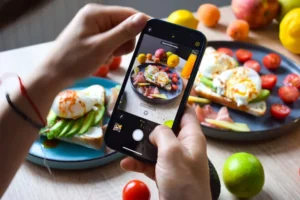
Visibility in the modern food sector relies heavily on digital presentation. Leveraging social media platforms like Instagram and TikTok allows a business to showcase the visual appeal of their dishes. High-quality food photography that highlights texture and color can drive engagement.
Building a client base for events requires reliability. For organizations requiring large-scale execution, partnering with established entities can provide stability. Those looking for premium service often opt to Hire Tastebudz Catering for guaranteed quality.
Common Mistakes to Avoid
Understanding the science behind the cuisine prevents common errors that plague new businesses.
- Q: Do I need to parboil rice again if I bought “parboiled” rice?A: No. Parboiled rice is pre-processed during manufacturing. Cooking it directly in the stew ensures the correct texture and prevents nutrient loss.
- Q: Can I use coconut oil for traditional Nigerian Jollof?A: No. Vegetable oil is the traditional fat source. Coconut oil introduces a distinct sweetness and flavor profile that is not characteristic of authentic Nigerian Jollof.
- Q: Is HACCP mandatory for a small catering business?A: While certification is voluntary for local sales, implementing HACCP principles is considered a best practice for safety. It becomes mandatory for exports.
For further regulatory clarification, businesses should refer to the NAFDAC Official Guidelines.
Conclusion
To successfully turn cooking into business in Nigeria, an entrepreneur must integrate regulatory compliance, standardized recipes, and strategic marketing. The transition from a home cook to a business owner involves mastering the chemistry of dishes like Party Jollof and adhering to the safety protocols of HACCP. With the right training and operational structure, a culinary passion can evolve into a sustainable and profitable enterprise. Tastebudz Academy offers the comprehensive training necessary to navigate this journey professional.