How to Start a Catering Business in Nigeria: Market Overview
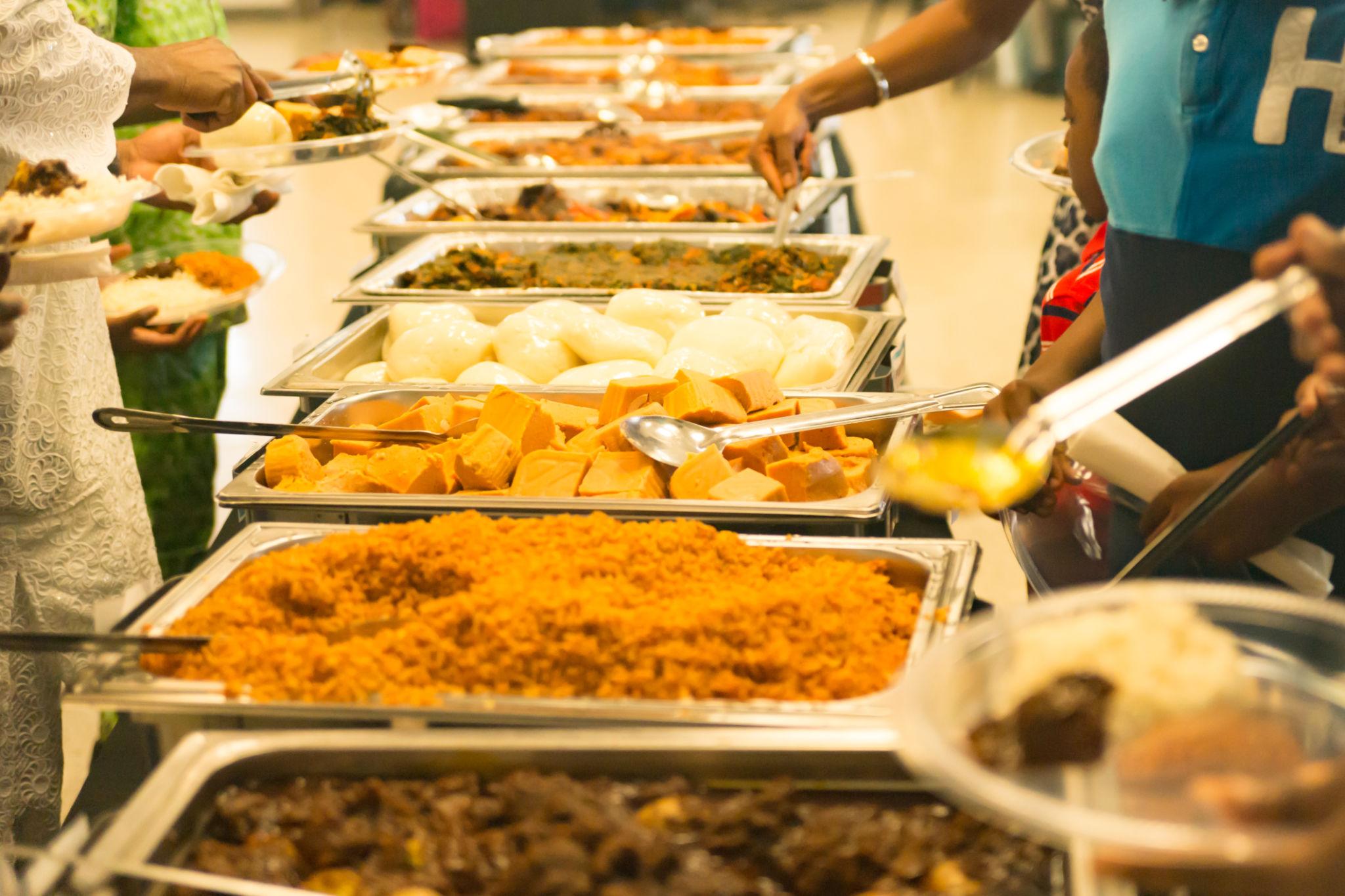
Anyone researching how to start a catering business in Nigeria must understand food safety regulations, market demand, and proper kitchen operations. A scientific approach to market entry begins with segmentation. The Nigerian catering industry is not a monolith; it is divided into distinct verticals including social events (weddings, birthdays), corporate functions (conferences, luncheons), and government engagements. Success depends on identifying a niche where operational capacity matches market demand. For instance, corporate catering often requires precise portion control and adherence to strict delivery schedules, whereas social events prioritize volume and specific sensory profiles, such as the smoky flavor of party jollof.
Aspiring caterers must analyze local competitors not just on price, but on product consistency. The variability in homemade taste is difficult to scale; standardization is the key to profitability. To bridge the gap between home cooking and industrial standards, professional training is often required.
Professional Catering Training
Entrepreneurs who want to scale their services should consider an advanced course in catering management to improve operational efficiency. Advanced Professional Chef Diploma in Cuisine, Patisserie, and Restaurant Management (1 Year)
Legal and Health Requirements: NAFDAC & HACCP
Operating a catering business in Nigeria requires strict adherence to food safety protocols. The primary regulatory body is the National Agency for Food and Drug Administration and Control (NAFDAC). Under NAFDAC food hygiene regulations, businesses must implement a systematic approach to safety.
The Science of HACCP
Caterers must utilize the Hazard Analysis Critical Control Point (HACCP) system. This is a systematic preventive approach to food safety from biological, chemical, and physical hazards in production processes that can cause the finished product to be unsafe. It designs measurement and control activities to ensure safety.
Key compliance areas include:
- Identification of Hazards: Determining potential food safety risks inherent in the menu items.
- Critical Control Points (CCPs): Establishing stages in the cooking process where control can be applied (e.g., temperature checks).
- Temperature Controls: Maintaining cold chains for storage and ensuring thermal lethality is achieved during cooking.
- Documentation: Keeping records of sourcing, storage temperatures, and cleaning schedules.
Certification under these standards is often voluntary for small, purely local operations. However, if the business intends to export food products or falls under specific federal regulations, certification becomes mandatory. It is prudent to treat these voluntary guidelines as mandatory standard operating procedures to ensure liability protection and consumer safety.
Menu Development: The Business of Party Jollof
In the Nigerian market, the viability of a catering business frequently hinges on the quality of its Jollof Rice. It is the standard by which caterers are judged. However, cooking for 50, 100, or 500 people involves different chemical and physical dynamics than home cooking. The economics of catering rely on optimizing ingredient yield without compromising sensory quality.
Authentic Nigerian Jollof is a one-pot dish where the rice cooks directly in the stew. This method allows the grains to absorb the tomato-oil emulsion. A common error in large-scale catering is double parboiling. Parboiled rice (such as Caprice or Mama Gold) has already undergone processing (soaking, steaming, and drying) at the mill to gelatinize the starch and drive nutrients into the endosperm. Parboiling it again at the catering venue ruptures the grain, resulting in a mushy texture. Therefore, the rice should be added directly to the stew.
Authentic Nigerian Jollof Rice (Catering Scale)
Recipe Details
- Prep Time: 45 minutes
- Cook Time: 60 minutes
- Total Time: 1 hour 45 minutes
- Servings: 50 (Catering Portion)
- Difficulty: Medium
Equipment Needed
- Large heavy-bottomed pot or aluminum catering pot (essential for even heat distribution)
- High-capacity blender (for pepper mix)
- Spatula or wooden turner (to avoid scraping the pot bottom prematurely)
- Ladles
Ingredients
Ingredients
- Parboiled Rice: 5 kg (Brands: Caprice or Mama Gold recommended)
- Plum Tomatoes: 2 kg
- Tatashe (Bell Peppers): 1 kg
- Rodo (Scotch Bonnet Peppers): 200g (adjust for heat preference)
- Onions: 3 large bulbs
- Vegetable Oil: 1 liter (Primary fat; do not use coconut oil)
- Curry Powder: 2 tbsp
- Dried Thyme: 1 tbsp
- Bay Leaves: 3 leaves
- Stock Cubes: 8 cubes
- Salt: To taste
- Protein Options: Smoked turkey or fish (optional, for depth)
Instructions
- Prep the Base: Blend the plum tomatoes, tatashe, rodo, and onions into a homogeneous mix. Do not strain the liquid; the pulp is essential for the stew’s body.
- Bleach the Stew: Heat the vegetable oil in the pot. Pour in the blended pepper mix. Fry on medium-high heat. This stage, known as “bleaching,” is critical. The goal is to fry until the water evaporates, the oil separates and floats to the top, and the mix darkens in color. This reduction concentrates the sugars and umami flavors.
- Add Seasoning: Lower the heat. Add curry powder, thyme, bay leaves, stock cubes, and salt. Stir continuously for 2 minutes to allow the volatile oils in the spices to bloom.
- Combine Rice: Add the 5kg of parboiled rice directly into the caramelized stew. Stir gently to ensure every grain is coated. Note: Because the rice is industrially parboiled, it does not require pre-boiling.
- Cooking Process: Add stock or water. The liquid level should be slightly above the rice level. Cover the pot. Reduce heat to medium to allow the liquid to simmer and absorb.
- The “Party” Smoky Flavor: Authentic party Jollof derives its smokiness from the caramelization of the stew at the pot bottom (often called ‘Konko’) or traditional firewood cooking. To achieve this in a kitchen, do not stir excessively. As the water dries up, the heat at the bottom will toast the rice, creating the smoky layer. Optionally, increase heat slightly for the last 3 minutes to enhance the Maillard reaction at the base.
- Final Steps: Once liquid is absorbed, turn off the heat. Allow the steam to finish the cooking process gently. Avoid stirring vigorously before serving to maintain grain integrity.
Storage & Variation Tips
- Storage: For food safety, cool the rice rapidly (within 2 hours of cooking) and refrigerate if not serving immediately. Bacteria thrive between 5°C and 60°C.
- Variations: While coconut oil is sometimes suggested online, it is not traditional for Nigerian Jollof and alters the flavor profile. Stick to vegetable oil. Smoked fish can be added during the stew stage to increase complexity.
Operational Excellence & Staffing
Training programs can help entrepreneurs learn how to start a catering business in Nigeria professionally. A catering business is a logistics enterprise as much as a culinary one. The movement of food from the kitchen to the venue involves thermal dynamics. Hot food must be kept above 60°C to prevent bacterial growth, and cold foods below 5°C.
Staffing requires a clear hierarchy. A head chef oversees execution, while porters manage the heavy lifting of equipment. Hygiene uniforms are not merely aesthetic; they are physical barriers against contamination. Staff should be trained in the chemical hazards of cleaning agents, ensuring no cross-contamination between sanitizers and food surfaces.
Marketing Your Catering Business
In the digital age, visual appeal is the primary marketing vector. Before a client tastes the food, they see it. High-quality photography that accurately represents the portion sizes and color of the food is essential. Over-promising on visuals leads to dissatisfaction; accuracy builds trust.
Networking with event planners provides a steady stream of referrals. Planners require reliability—if the food is late, the event timeline collapses. Demonstrating an understanding of event flow and timing is a unique selling proposition.
Common Mistakes When Starting Out
- Underpricing: Many novice caterers calculate only the cost of ingredients, neglecting energy costs, labor, transport, and equipment depreciation. This leads to cash flow insolvency.
- Ignoring Safety: Skipping NAFDAC/HACCP protocols is a liability. A single foodborne illness outbreak can terminate a business.
- Poor Cooking Techniques: Double parboiling parboiled rice (which turns it to mush) or using non-traditional fats like coconut oil (which confuses the flavor profile) are technical errors that alienate Nigerian consumers.
Conclusion
Understanding how to start a catering business in Nigeria requires strong food safety knowledge, operational planning, and proper market positioning. To start catering business Nigeria requires a synthesis of culinary art, scientific food safety, and operational logistics. By adhering to NAFDAC guidelines, understanding the chemistry of Nigerian dishes like Jollof rice, and maintaining professional standards, entrepreneurs can build sustainable enterprises. The journey from a home cook to a professional caterer involves unlearning bad habits and embracing standardization.
Whether you require comprehensive training to master these skills or need professional catering services for your next event, Tastebudzng is equipped to support your culinary goals.